Yes. Buy travel insurance for your Kenya safari, and make sure it covers medical evacuation by air. That’s the short version.
This Kenya safari travel insurance guide gives you the rest: what to buy, what it costs, and where standard policies fall short. We’ve run safaris out of the Masai Mara, Amboseli, and Samburu for years. We don’t sell insurance and we don’t earn a commission from any provider. So here’s the honest version of what you actually need.
What This Kenya Safari Travel Insurance Guide Covers
Five things: evacuation costs, the coverage a policy must include, cancellation protection, common exclusions, and how AMREF Flying Doctors fits in. Read the sections below in order, or jump to what you need.
Why Standard Travel Insurance Falls Short on Safari
Most travel insurance sold at the airport or bundled with a credit card was built for city trips. It covers a stolen phone in Paris or a canceled flight in Rome. It was not built for a puncture on a dirt track two hours from the nearest clinic.
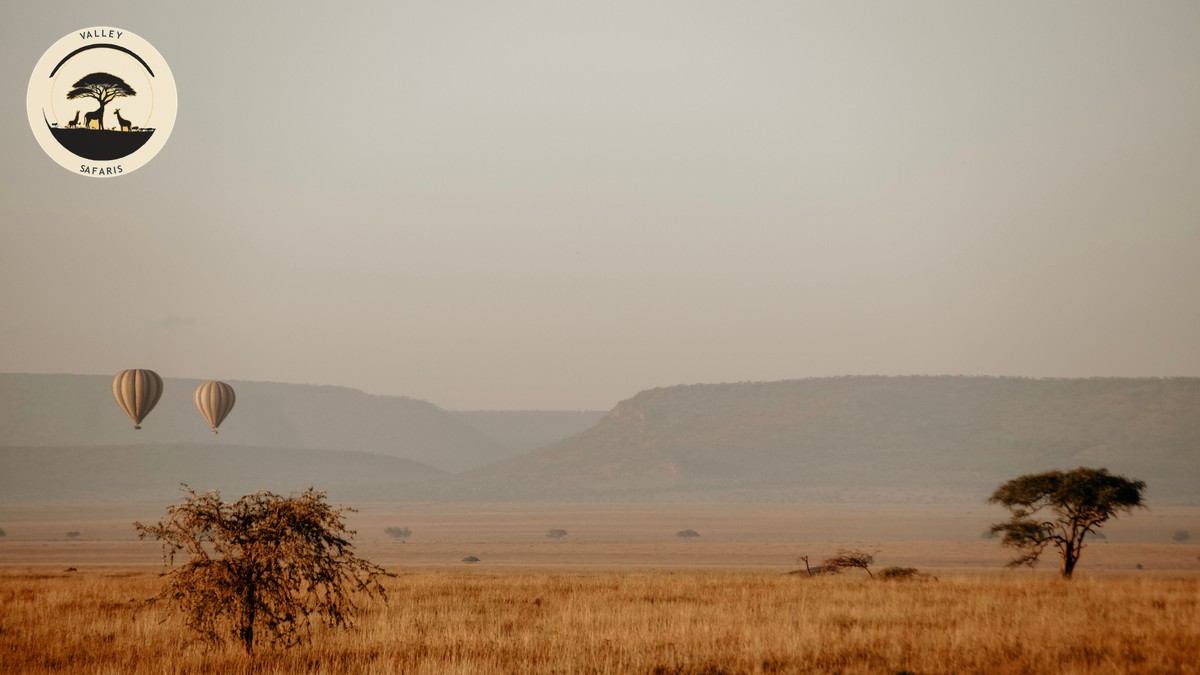
Two gaps matter most. First, many standard policies exclude “remote area” evacuation, meaning they’ll pay for an ambulance but not a plane. Second, many exclude “adventure activities,” and insurers sometimes classify game drives off paved roads, walking safaris, or hot air balloon flights under that label. Read your policy’s activity list before you fly, not after.
We’ve also seen safari injuries are more common than most travelers expect, usually from falls, insect bites, or vehicle jolts rather than dramatic animal encounters. None of that is exotic. It’s exactly the kind of thing a basic policy is supposed to cover, if you read the fine print correctly.
Medical Evacuation Coverage: What It Actually Costs
This is the part that matters most. If you get seriously ill or injured in the Mara, the nearest full hospital is in Nairobi, often 250 to 350 km away by air. Small planes fly evacuations from airstrips near most camps, usually landing at Wilson Airport before an ambulance transfers you to Nairobi Hospital or Aga Khan University Hospital.
| Location | Approx. distance to Nairobi | Flight time to Wilson Airport | Indicative air evacuation cost |
|---|---|---|---|
| Mara Triangle (Ol Kiombo airstrip) | ~270 km | ~45 min | $3,500-$9,000 (indicative) |
| Amboseli National Park | ~240 km | ~40 min | $3,000-$8,000 (indicative) |
| Samburu National Reserve | ~345 km | ~55 min | $4,000-$10,000 (indicative) |
| Lake Nakuru National Park | ~160 km | ~35 min | $2,500-$6,000 (indicative) |
These ranges depend on aircraft type, time of day, and whether a medical escort is required. They’re wide because a night flight with a nurse on board costs far more than a scheduled daytime charter. This is exactly why we tell guests to carry at least $50,000 in medical evacuation coverage, not the $10,000 that some basic policies default to.
What a Safari Policy Must Include
Before you buy, check the policy actually has these five things:
- Emergency medical evacuation, air ambulance included, at least $50,000
- Emergency medical treatment abroad, at least $100,000
- Trip cancellation and interruption coverage
- Coverage for game drives, walking safaris, and hot air balloon flights, named specifically
- Baggage and gear coverage, since camera equipment and binoculars add up fast
If a policy is silent on activities, call the insurer and ask them to confirm in writing. “Silent” often means “excluded” when a claim comes in.
Trip Cancellation: Protecting Your Deposit
Safaris are booked months ahead, and deposits are usually non-refundable once you’re inside 60 to 90 days of travel. A ten-day Kenya trip with flights, park fees, and lodges can run $4,000 to $10,000 per person. Losing that to a broken ankle two weeks before departure is a real financial hit, not just a disappointment.
Cancellation and interruption coverage reimburses you if you have to cancel for a covered reason: illness, a family emergency, a natural disaster at home. It also covers cutting the trip short and getting you home early. If you’re paying for your safari in installments, this coverage matters even more, since you’ve often paid the full balance before you ever board a plane.
What’s Typically Not Covered
Every policy has exclusions. The common ones for Kenya trips:
- Pre-existing medical conditions, unless you buy a waiver within a set window after your deposit, often 14 to 21 days
- High-risk activities not named in the policy, sometimes including bungee jumping or off-piste activities unrelated to safari
- Illness from failing to take recommended vaccinations or malaria prophylaxis
- Cancellation due to a simple change of mind
- Acts of war, though this rarely applies to Kenya’s safari circuits
Read the exclusions list slowly. It tells you more about a policy than the marketing page does.
AMREF Flying Doctors: A Useful Add-On, Not a Replacement
AMREF Flying Doctors is a real evacuation service based at Wilson Airport in Nairobi, and it’s the one most safari camps call first in an emergency. A short-term visitor membership costs roughly $80 to $100 for a stay of up to a month, an indicative range since rates change.
Membership guarantees evacuation flight costs are covered within East Africa, but it does not cover hospital bills, treatment, or getting you home internationally. Think of it as a fast, reliable flight guarantee, layered on top of full travel insurance, not instead of it.
How Much Safari Travel Insurance Costs
For a two-week Kenya trip, expect to pay $6 to $12 per day for a solid policy with proper evacuation limits, so roughly $85 to $170 total for two weeks. Cheaper policies exist, usually $3 to $5 per day, but they often cap evacuation at $10,000 to $20,000, which will not fully cover a complex air evacuation from a remote conservancy.
Cancel for any reason (CFAR) coverage adds 40 to 60% to the premium. It’s worth it if your travel dates are firm and non-negotiable. It’s less useful if you already have flexible cancellation terms with your operator.
When to Buy Your Policy
Buy within 14 to 21 days of paying your deposit. Most cancellation and pre-existing condition waivers only apply if you buy inside that window. Waiting until a month before departure usually means losing access to the best cancellation terms, even if the medical coverage itself stays available.
You cannot buy meaningful cancellation coverage once your trip has already started, though emergency medical policies can sometimes be purchased mid-trip in a pinch. Don’t count on that as your plan.
A Real Scenario
A guest on one of our Mara North Conservancy trips slipped getting out of the vehicle during a rest stop and fractured her wrist. It wasn’t dramatic, no animals involved, just a wet step and bad luck. Her camp called for a charter flight to Nairobi, and Aga Khan University Hospital set the fracture that afternoon. Her travel insurance covered the $4,200 flight and treatment cost in full. Her policy had cost her $95 for the trip. That’s the entire case for buying real coverage.
The Valley Safaris Difference
We build every itinerary with evacuation logistics already mapped, which airstrip serves your camp, which hospital your evacuation would route through, and how long that takes. We ask every guest to send us their insurance policy number and emergency contact before departure, and we keep it on file at camp level, not just in an office in Nairobi.
We also carry our own first aid kits on every vehicle and brief every guide on evacuation procedures for each conservancy we operate in. We’ll tell you honestly if we think your policy has a gap, because we’d rather lose nothing than watch a guest find out the hard way. We also recommend what to pack in your own first aid kit so small issues never turn into bigger ones.
FAQ
Do I need travel insurance for a Kenya safari? Yes. It’s not legally mandatory to enter Kenya, but going without it is a real financial and medical risk given evacuation distances.
Does my standard travel insurance cover a safari? Sometimes, but check for remote-area evacuation and named safari activities. Many standard policies exclude both.
Do I need AMREF Flying Doctors if I already have insurance? It’s a helpful add-on for faster evacuation dispatch, but it doesn’t replace medical or cancellation coverage.
Can I buy insurance after my trip has started? Cancellation coverage, no. Some emergency medical coverage, occasionally, but don’t plan around it.
Is my safari operator’s insurance enough? No. Operator liability cover protects against operator negligence, not your personal medical or trip costs. You need your own policy.
Plan Your Trip With Us
If you’re mapping out a Kenya safari and want an itinerary built with real evacuation and safety logistics in mind, we’re happy to walk through it with you. Visit our contact page and tell us where you’re hoping to go.